





Creating a relaxing home office environment is essential for anyone working remotely or managing tasks at home. A well-designed workspace not only improves focus but also helps reduce stress and enhances overall well-being. Whether you have a dedicated room or just a small corner, these tips will help you craft a peaceful, productive environment tailored just for you.
Choose the Right Location
Prioritize Natural Light
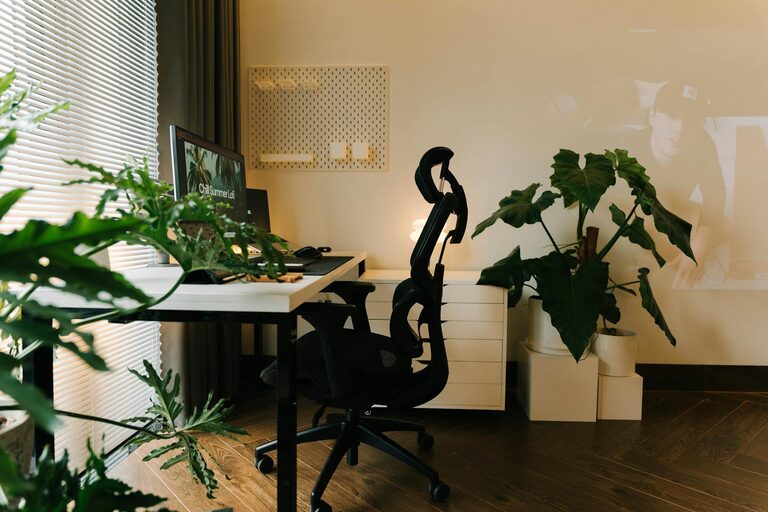
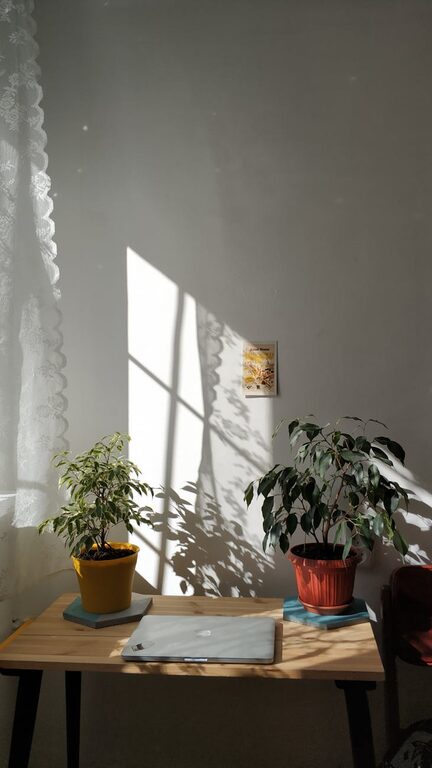
Position your desk near a window if possible. Natural light can uplift your mood and reduce eye strain, making it easier to stay alert and comfortable throughout the day.
Minimize Noise and Distractions
Select a quiet space where household noises won’t interrupt your workflow. If this isn’t possible, consider noise-canceling headphones or white noise machines to create an acoustic buffer.
Invest in Comfortable Furniture
Ergonomic Chair and Desk
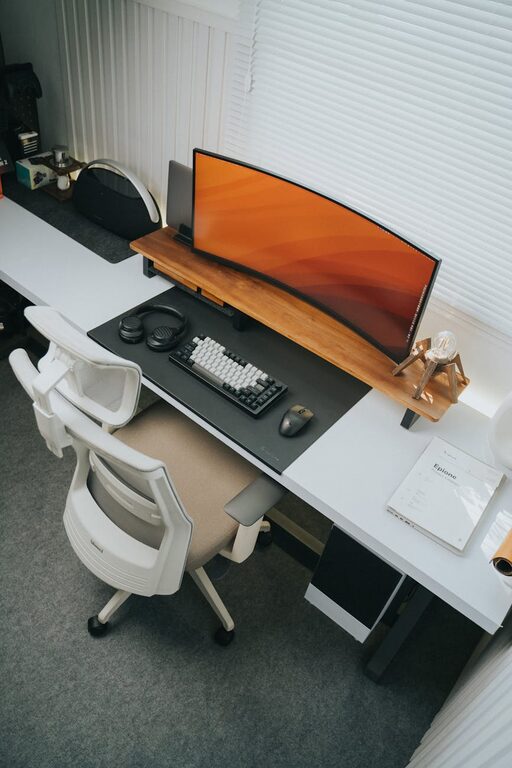
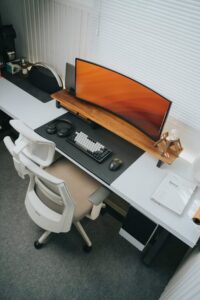
Comfort is key in a home office. An ergonomic chair supports good posture and prevents back pain. Pair it with an adjustable desk or a surface that fits your height to avoid strain.
Add Supportive Accessories
Footrests, keyboard trays, and monitor stands can make a big difference in comfort and efficiency. Arranging your screen at eye level will help maintain neck alignment.
Create a Calming Color Scheme
Use Soft, Neutral Colors
Colors like soft blues, greens, grays, or beige can promote relaxation and focus. Avoid overly bright or harsh colors that may feel distracting.
Add Subtle Accents
Incorporate accents with calming textures or colors through cushions, wall art, or desk organizers for a personalized touch.
Organize Your Space Thoughtfully
Declutter Regularly
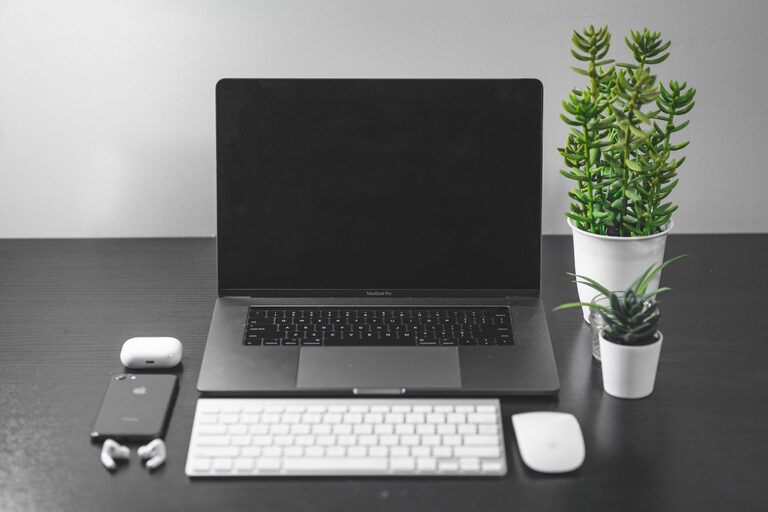
Keep your desk clean and free of unnecessary items. A tidy workspace reduces stress and helps maintain concentration.
Use Storage Solutions
Shelves, drawers, and organizers keep documents and supplies out of sight yet easily accessible. Labeling containers can save time and reduce frustration.
Incorporate Natural Elements
Bring in Plants
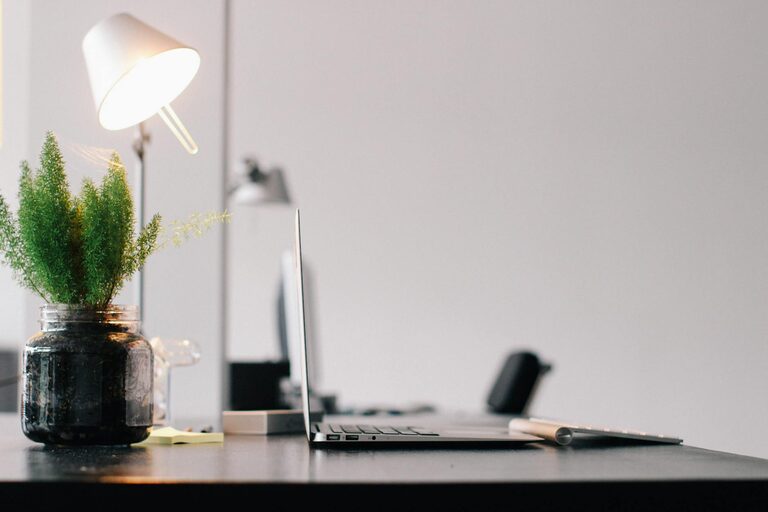
Plants improve air quality and add a touch of nature, which is known to lower stress and boost creativity. Choose low-maintenance options like succulents or pothos.
Use Natural Materials
Wooden desks, bamboo organizers, or stone accessories provide a warm, soothing feeling and connect the indoors with nature.
Control Lighting and Temperature
Layer Lighting Options
Use a mix of ambient, task, and accent lighting. Adjustable desk lamps help focus light where you need it, while softer overhead lights reduce harsh shadows.
Maintain Comfortable Temperature
A room that’s too hot or too cold can hinder productivity. Use fans, heaters, or windows to keep the temperature ideal for you.
Personalize Without Clutter
Display Inspiring Items
Decorate your space with photos, artwork, or quotes that motivate you. Personal touches can make your office feel welcoming without overwhelming it.
Include Calming Scents
Aroma can influence mood. Consider subtle scents from essential oils, candles, or diffusers like lavender or eucalyptus for relaxation.
Implement Break Spaces and Movement
Designate a Relaxation Spot
If space allows, set up a small area with a comfortable chair or cushion to step away from the desk during breaks.
Encourage Movement
Set reminders to stand, stretch, or walk regularly. Physical activity refreshes your body and mind, improving overall work quality.
Use Technology Wisely
Declutter Digital Space
Organize your computer files and emails to reduce digital stress. Use productivity apps to keep track of tasks efficiently.
Manage Screen Time
Consider blue light filters or glasses to protect your eyes, especially if you spend long hours in front of screens.
—
Creating a relaxing home office is about balance—combining comfort, organization, and elements that inspire calmness. By paying attention to these details, you can build an environment that supports your work and well-being every day. Remember to adjust your space as your needs change for ongoing comfort and productivity. Happy decorating!